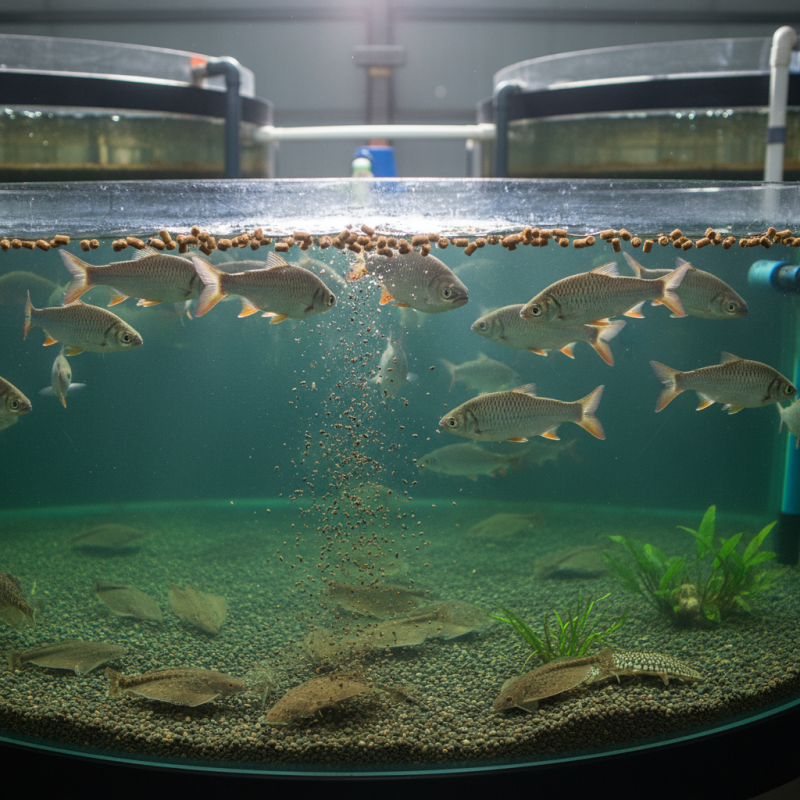
What is the difference between floating and sinking feed?

Time:2026-08-23 Author:Oliver
0%

Understanding the aquatic feed industry is crucial for successful fish farming. A common question arises: what is the difference between floating and sinking feed? Both types of feed serve vital roles in aquaculture, impacting feeding behavior and fish health.

Floating feed stays on the water surface. This type is easier for fish to spot and consume. It encourages natural feeding behavior. Sinking feed, on the other hand, drops to the bottom. It’s often utilized for bottom-feeding species. Each feed type has its unique benefits and drawbacks.

Farmers often debate which feed is more effective. Floating feed may lead to less waste as fish quickly eat it. However, it can be more expensive. Sinking feed might result in some waste, but it can be a cost-efficient option. The choice depends on various factors, including species and feeding habits. Understanding these differences is key for optimal fish growth and health.

What is the difference between floating and sinking feed?

What Defines Floating Feed in Aquaculture: Key Characteristics

Floating feed in aquaculture is designed to stay on the water's surface. This characteristic allows fish to easily access food without diving too deep. Floating pellets are often composed of ingredients that have a low density. This ensures they remain buoyant and are visible to fish. Key components include starches and proteins that are specially formulated.

A major advantage of floating feed is its visibility. Fish are more likely to notice food when it floats. This can lead to better feeding efficiency. Additionally, floating feed helps in monitoring feeding behavior. Farmers can observe how much fish are eating and adjust accordingly. However, not every fish species prefers floating feed.

It's important to consider the specific needs of your fish. Some species may thrive better on sinking feed, while others may prefer floating options. Balancing the types of feed can help ensure optimal growth and health. Regular assessment of feeding habits is necessary. This habit can lead to improved management strategies.

Sinking Feed: Composition and Nutritional Value Overview

Sinking feed is a crucial component in aquatic nutrition. It often contains a blend of nutrients tailored for specific aquatic species. Ingredients may include fish meal, soybean meal, and various vitamins. These components ensure that fish receive the essential proteins and fats necessary for growth and health.

Unlike floating feed, sinking feed maintains its structure and does not disintegrate quickly. This can be beneficial in environments where fish may prefer to feed near the bottom. Nutritional value is significant, but not all sinking feeds are created equally. There can be inconsistencies in formulation that may affect digestibility. Observing how fish react to different feeds can provide insights into their preferences.

Many people overlook the importance of feed composition. A well-balanced sinking feed supports growth, but poor quality can lead to health issues. It's crucial to regularly evaluate the feed's impact on fish behavior and overall well-being. Analyzing these details can enhance feeding strategies in aquaculture and home aquariums alike. Even experienced aquarists must stay vigilant and adaptable, ready to adjust their feeding methods based on ongoing observations.

Comparison of Floating and Sinking Feed: Digestibility and Feed Conversion

Floating and sinking feeds play crucial roles in aquatic nutrition. A recent study highlighted that floating feeds have a higher digestibility rate compared to sinking feeds. This is particularly relevant for fish with different feeding behaviors. Fish that naturally consume food at the surface can take advantage of this form of nourishment, which reduces waste and optimizes nutrient absorption.

According to industry reports, floating feeds can improve feed conversion ratios by 15-25%. This means fish can convert feed into body mass more efficiently. Sinking feeds, while often lower in cost, may lead to more uneaten leftovers. These leftovers can deteriorate water quality, impacting the health of fish. Research shows that 30% of sinking feed can go uneaten, leading to nutrient loss and environmental challenges.

Nutritionists emphasize the importance of selecting the right feed type based on species and growth stage. Surface feeders benefit from floating feeds, which encourage natural foraging behavior. However, some fish prefer sinking feeds, leading to a need for balanced strategies in aquaculture. Mismanagement in feed selection can adversely affect growth performance. Choosing the appropriate feed can result in measurable improvements in aquaculture productivity and sustainability.

Impact of Feed Type on Fish Behavior and Growth Performance

The choice between floating and sinking feed can significantly impact fish behavior and growth. Research indicates that floating feed is often preferred because it encourages surface feeding. This behavior is more natural for many fish species, potentially leading to increased feeding frequency and overall growth rates. A study published in the Aquaculture Research journal suggests that fish fed with floating pellets demonstrated a 15% growth advantage over those given sinking feeds in the same environmental conditions.

Sinking feeds, while beneficial for fish that prefer bottom feeding, can sometimes lead to more aggressive competition among fish. This competition can create stress, negatively affecting growth performance. Moreover, uneaten sinking feed can accumulate on the tank bottom, deteriorating water quality. A report from the Fisheries and Aquaculture Department recommends minimizing feed waste by selecting appropriate feed types that match the species' feeding behavior.

Interestingly, the implications of feed type extend beyond growth. Fish behavior changes in response to their feeding environment. Sinking feeds may cause fish to become more reclusive, while floating feeds promote social interaction. Fish that are less stressed tend to show improved growth metrics. It’s crucial to consider both the physiological and behavioral aspects when choosing feed types, as it directly impacts the sustainability and productivity of aquaculture systems.

Economic Considerations: Cost-Effectiveness of Floating vs. Sinking Feed

Floating and sinking feed serve different purposes in aquaculture. Their economic implications can significantly impact operations. Floating feed allows farmers to monitor feeding behavior easily. Fish are more visible and can be seen actively feeding. This observation ensures better management of feeding practices.

Sinking feed, on the other hand, often comes at a lower cost. It can be more efficient for certain species that naturally feed on or near the bottom. However, it can also lead to waste if fish do not consume it quickly. This raises concerns about environmental impact and resource use.

Farmers must weigh these factors. They need to consider fish species, feeding habits, and budget constraints. A detailed analysis of feed types is crucial. Some farms may benefit from a combination of both. This mixed approach could maximize efficiency and reduce costs. Ultimately, the choice of feed should align with specific farm goals and economic viability.

What is the difference between floating and sinking feed? - Economic Considerations: Cost-Effectiveness of Floating vs. Sinking Feed

Feed Type Cost per Ton (USD) Feed Conversion Ratio (FCR) Durability (months) Consumer Preference (%)
Floating Feed 450 1.5 6 65
Sinking Feed 400 1.8 8 35

FAQS

: What is sinking feed made of?

: Sinking feed typically includes fish meal, soybean meal, vitamins, and other tailored nutrients.

How does sinking feed differ from floating feed?

Sinking feed maintains its structure and is suited for bottom feeders, unlike floating feed that encourages surface feeding.

Why is the composition of sinking feed important?

A well-balanced feed supports fish growth. Poor quality feeds can lead to health issues and behavioral changes.

How does sinking feed affect fish behavior?

Sinking feed may cause fish to be more reclusive and can increase competition, potentially leading to stress.

What should be monitored when using sinking feed?

It's essential to observe fish behavior and waste to ensure feed effectiveness and maintain water quality.

Are there economic benefits to using floating feed?

Yes, floating feed allows for easy monitoring of feeding behavior and reduces waste in certain conditions.

Can farmers use both floating and sinking feeds?

Combining both feeds may maximize efficiency and lower costs, depending on specific farm goals.

What impact does feed type have on growth performance?

Floating feed can enhance growth rates, sometimes outperforming sinking feed in optimal environmental conditions.

What environmental concerns arise from sinking feed?

Uneaten sinking feed can pollute water quality, leading to negative ecological impacts.

How can experienced aquarists improve their feeding strategies?

Regular evaluations and adjustments based on fish responses can enhance overall health and growth outcomes.

Conclusion

The article titled "What is the difference between floating and sinking feed?" explores the distinct characteristics and implications of these two types of aquaculture feed. Floating feed is designed to stay on the water surface, enabling easy visibility, which can stimulate fish feeding behaviors. It is often high in digestibility, which is crucial for efficient feed conversion and overall fish health. In contrast, sinking feed is composed to provide essential nutrients below the water surface, appealing to species that naturally feed at various depths.

The comparison between floating and sinking feed emphasizes their respective digestibility, the impact on fish behavior, and growth performance. While floating feed may enhance feeding efficiency for surface feeders, sinking feed can ensure that bottom feeders receive adequate nutrition. Additionally, the economic considerations indicate that both types of feed have their cost-effectiveness based on the specific culture practices and fish species involved. Understanding "what is the difference between floating and sinking feed" is essential for aquaculture practitioners seeking to optimize growth and feeding strategies.

Oliver

Oliver

Oliver is a seasoned marketing professional with a wealth of expertise in driving brand awareness and engagement. With a deep understanding of our company's product offerings, he consistently delivers high-quality content that enriches our professional blog. His insights not only shed light on......