Pawlix Pet

Revolutionizing Gut Health in Modern Aquaculture
The term "Digestive Health" in aquafeed encompasses a complex ecosystem including the intestinal barrier, the microbiome, and the local immune system. Global Digestive Health Aquafeed Factories are now at the forefront of the fight against EHP (Enterocytozoon hepatopenaei) in shrimp and various enteric septicemia in fish. By utilizing Coated Sodium Butyrate, suppliers can deliver energy directly to colonocytes, promoting villi growth and increasing the absorption surface area.
The Role of Functional Ingredients
Functional ingredients like Betaine serve a dual purpose. Not only does it act as a powerful methyl donor for liver health and fat metabolism, but it also functions as an osmoprotectant. In fluctuating salinity environments—common in coastal aquaculture—this helps aquatic species maintain cellular hydration, reducing the metabolic energy spent on osmoregulation and redirecting it toward growth.
Why Suppliers Focus on Protein Hydrolysates
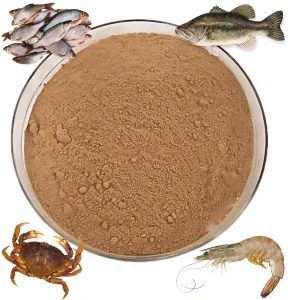
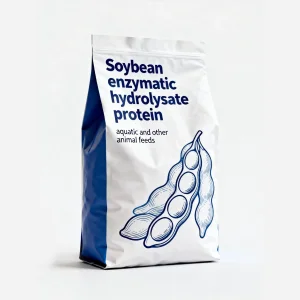
Fish and shrimp have relatively short digestive tracts. High-molecular-weight proteins can be difficult to break down, leading to waste accumulation and water pollution. Yeast Hydrolysate and Enzymatic Proteins provide small-chain peptides that are almost instantly absorbed. This leads to higher "Appetite Stimulation" and "Population Uniformity," two key metrics for any commercial farm's profitability.
Localized Application Scenarios
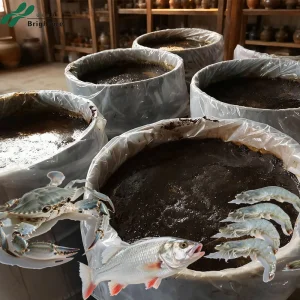
In Southeast Asia, where temperatures are high and water oxygen levels can fluctuate, digestive health is paramount to survival. In the Middle East, the focus shifts to high-stability binders like Bentonite Clay to ensure feed doesn't disintegrate in harsh conditions. Our factory specifically designs products like Squid Liver Paste to act as both a nutritional powerhouse and a natural attractant, catering to these varied global demands.